Introduction
Commercial foraging—collecting wild berries, mushrooms, herbs, or other natural foods for sale—has surged across Canada, especially in British Columbia, Ontario, and the Atlantic provinces. While the market rewards those who can deliver fresh, high‑quality products, it also exposes foragers to a hidden hazard: pesticide drift and the resulting chemical residues on harvested material.
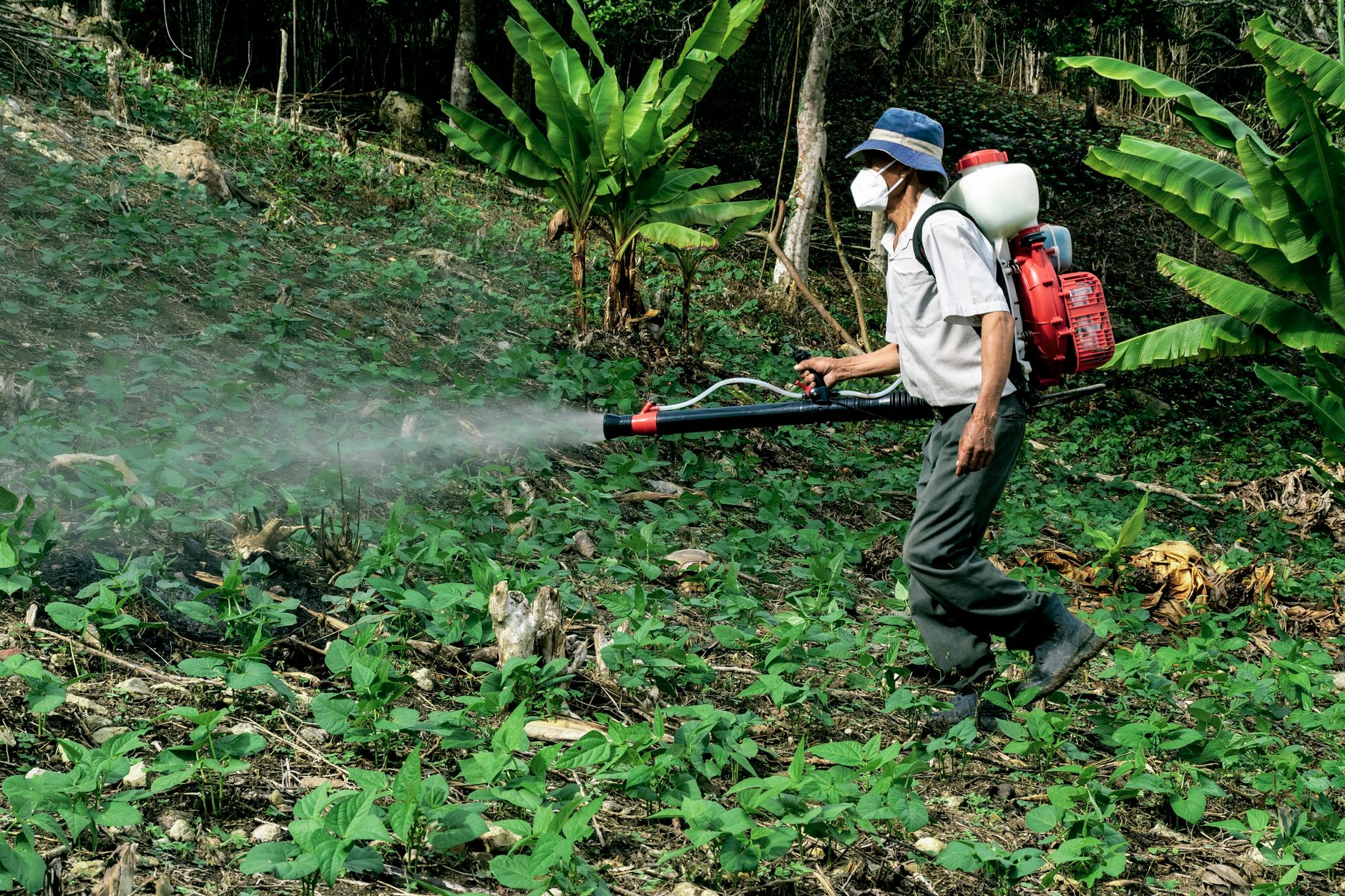
Pesticide drift occurs when a pesticide is applied to a crop and airborne droplets travel beyond the target area, settling on adjacent land. Even in non‑agricultural zones, drift can deposit residues that compromise the safety of wild‑harvested foods. For commercial operators, this can mean product recalls, regulatory fines, and loss of consumer trust.
This guide breaks down the science behind drift, the Canadian regulatory landscape, the cost of compliance, and actionable steps to safeguard commercial foraging operations.
1. Understanding Pesticide Drift
1.1 How Drift Happens
- Application methods: Sprayers, aerial drops, and handheld devices can release fine droplets.
- Meteorological conditions: Wind speed > 2 m s⁻¹, low humidity, and temperature inversions promote drift.
- Pesticide formulation: Some active ingredients form smaller droplets, increasing airborne travel distance.
1.2 Impact on Wild‑Harvested Foods
- Residue persistence: Some pesticides break down rapidly (half‑life < 24 h), others persist for weeks or months (e.g., carbamates).
- Food safety thresholds: Even trace amounts can trigger regulatory action if they exceed Maximum Residue Limits (MRLs).
- Consumer perception: Reports of “chemical‑laced” wild berries can diminish demand, especially in premium markets.
2. The Canadian Regulatory Landscape
2.1 Federal Oversight
| Agency | Role | Key Regulation |
|---|---|---|
| Pest Management Regulatory Agency (PMRA) | Approves pesticides for use in Canada | Pest Management Products Act (PMPA) |
| Canadian Food Inspection Agency (CFIA) | Enforces food safety standards | Food and Drugs Act, Canadian Food Inspection Agency Regulations |
2.2 Provincial Nuances
- British Columbia: BC Agriculture and Food Authority (BCAFA) monitors pesticide use in the province.
- Ontario: Ontario Ministry of Agriculture, Food and Rural Affairs (OMAFRA) regulates pesticide applications in farms and commercial gardens.
- Alberta: Agriculture and Forestry Canada (AFC) works with local municipalities to set buffer zone guidelines.
2.3 Maximum Residue Limits (MRLs)
MRLs are the maximum concentration of a pesticide residue allowed on a food commodity. They are expressed in milligrams per kilogram (mg kg⁻¹). For example:
| Pesticide | MRL for Berries (mg kg⁻¹) | Agency |
|---|---|---|
| Chlorpyrifos | 0.01 | CFIA |
| Imidacloprid | 0.05 | CFIA |
| Acetamiprid | 0.02 | CFIA |
These limits are derived from toxicological studies and are periodically updated.
3. Risk Assessment for Commercial Foragers
3.1 Identify Potential Sources
- Adjacent farmland: Orchards, vineyards, or berry farms.
- Industrial sites: Chemical storage, manufacturing.
- Roadside vegetation: Sprayed for weed control.
3.2 Mapping and Monitoring
- Create a GIS map of surrounding pesticide use (obtained from provincial databases).
- Mark your foraging zones with distance buffers (e.g., 200 m, 500 m).
- Track meteorological data (wind direction, speed) to anticipate drift periods.
3.3 Sampling Protocols
- Sample size: 250 g of harvested material per batch.
- Frequency: At least once every two weeks during the growing season.
- Lab selection: Accredited Canadian labs (e.g., SGS Canada, Bureau Veritas).