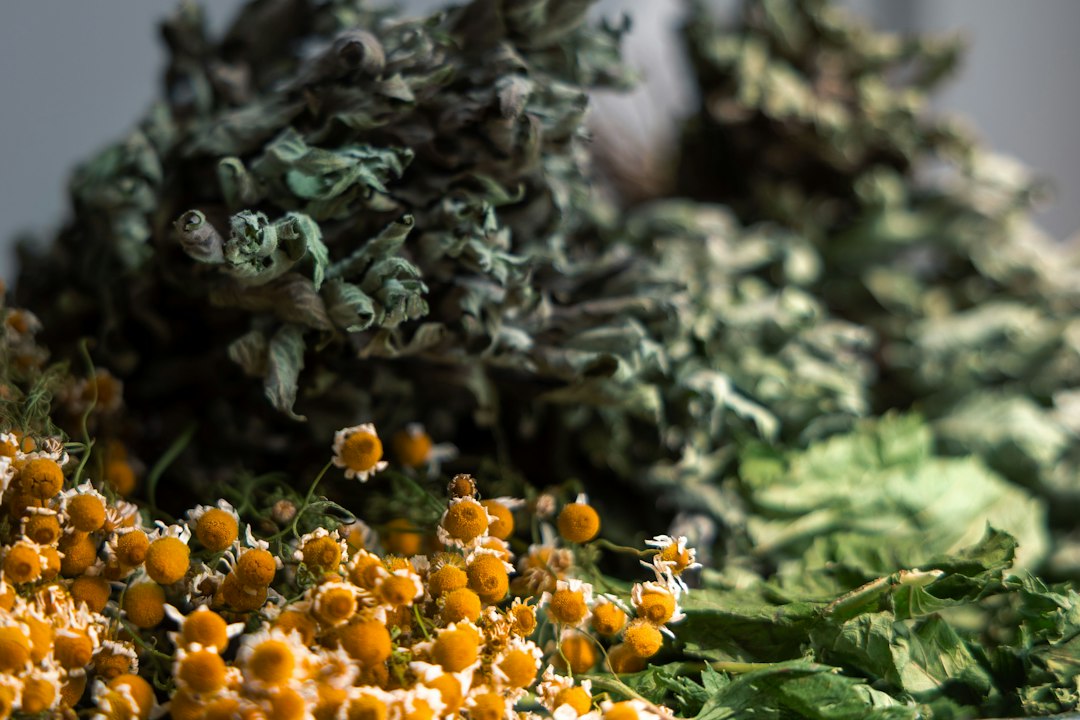
The Critical Role of Moisture Management in Preserving Raw Wild Botanicals
In the Canadian natural health products industry, the integrity of raw wild botanicals is paramount. From the boreal forests of Ontario to the coastal rainforests of British Columbia, wild-harvested plants such as juniper, Labrador tea, and fireweed form the foundation of teas, tinctures, and supplements. However, these botanicals are highly susceptible to environmental fluctuations once harvested. Effective moisture management during storage is not merely a best practice; it is a scientific necessity to prevent spoilage, maintain botanical chemistry, and ensure consumer safety. Without proper controls, excess moisture leads to mould proliferation, enzymatic degradation, and the loss of volatile aromatic compounds, rendering valuable raw materials useless. This article delves into the multifaceted approach required for storing raw wild botanicals, addressing the interplay between moisture, temperature, and substrate formulation under Canadian regulatory frameworks.
Understanding Botanical Chemistry: How Moisture Drives Degradation
The chemical composition of wild botanicals dictates their storage vulnerability. Moisture acts as a catalyst for several detrimental processes. Hydrolysis, for instance, breaks down ester bonds in essential oils and glycosides, diminishing the potency of active constituents. In high-humidity conditions, water activity (aw) within the botanical matrix exceeds 0.6, creating an environment where moulds like Aspergillus and Penicillium can germinate. These moulds not only produce mycotoxins, which are strictly regulated by Health Canada under the Natural Health Products Regulations, but also release enzymes that further degrade plant tissues.
Enzymatic browning is another critical concern. Polyphenol oxidases (PPO) and peroxidases (POD) become active in the presence of moisture, leading to discoloration and off-flavours in dried botanicals such as willow bark or rose hips. For Canadian processors, this means adhering to Good Manufacturing Practices (GMP) as outlined in Health Canada's guidelines, which require documented moisture control plans. A real-world example: a Quebec-based herbal supplier lost an entire batch of dried St. John's Wort to enzymatic degradation after a storage facility's dehumidifier failed during a humid summer week, resulting in a CAD $15,000 loss and a product recall.
Substrates and Formulations: Tailoring Storage to Botanical Type
Not all wild botanicals are created equal; their physical structure and chemical profile influence storage requirements. We can categorize them into three primary substrates for practical purposes:
- Leafy and Herbaceous Botanicals: Plants like yarrow or plantain have high surface-area-to-volume ratios, making them prone to rapid moisture absorption. These should be stored in shallow, breathable containers to allow air circulation.
- Woody and Root Botanicals: Densities such as cedar roots or burdock require lower humidity levels (below 40% RH) to prevent internal rot, as moisture can become trapped in their fibrous structures.
- Flowering and Resinous Botanicals: Botanicals like pine needles or spruce tips contain volatile terpenes that evaporate quickly in dry conditions. Storage must balance moisture to prevent desiccation while avoiding excess that causes clumping.
Formulations further complicate storage. If botanicals are pre-comminuted (ground or crushed), their increased surface area accelerates degradation. For instance, ground dandelion root has a significantly higher water activity than whole roots, necessitating more stringent controls. Canadian processors often use moisture barriers like food-grade polyethylene liners within larger bins to manage this.
Moisture Management Techniques: Practical Strategies for Canadian Facilities
Managing moisture in storage involves a combination of environmental control, packaging, and monitoring. Here are actionable steps for Canadian operations:
- Climate Control Systems: Install industrial-grade dehumidifiers capable of maintaining 30-50% relative humidity (RH). In regions like the Maritimes, where summer RH can exceed 70%, this is non-negotiable. Systems should be backed by redundant units to prevent failures.
- Hygrometer Calibration: Use digital hygrometers calibrated annually to ensure accuracy within ±2% RH. Place sensors at multiple points in storage areas, including corners and near floors, where moisture tends to accumulate.
- Packaging Solutions: For short-term storage, breathable cotton or muslin bags allow moisture to escape. For long-term preservation, vacuum-seal bags with integrated desiccant packets (e.g., silica gel) are ideal. Ensure all packaging complies with CFIA (Canadian Food Inspection Agency) food-grade standards if intended for consumable products.
- Water Activity Testing: Regularly test botanicals using a water activity meter. Maintain aw below 0.6 to inhibit microbial growth. This is particularly important for botanicals stored for extended periods, such as those for seasonal formulations.
A comparison of storage methods for a typical Canadian herbal operation is outlined below:
| Storage Method | Ideal RH Range | Temperature Range (°C) | Cost (CAD $) | Best For | Key Limitation |
|---|---|---|---|---|---|
| Ambient Warehouse | 40-60% | 10-25 | Low (no equipment) | Short-term, low-value botanicals | Unpredictable in humid seasons |
| Climate-Controlled Room | 30-50% | 15-20 | Medium (dehumidifier + HVAC) | Most wild botanicals | Higher energy consumption |
| Vacuum-Sealed with Desiccant | <30% | 5-15 | High (equipment + packaging) | Long-term storage of high-value botanicals | Requires consistent monitoring |
Temperature Degradation: The Synergistic Effect with Moisture
Temperature plays a critical role in storage, often synergizing with moisture to accelerate degradation. For every 10°C increase in temperature, the rate of chemical reactions doubles, according to the Q10 rule. In Canadian winters, storage facilities may experience temperature fluctuations that cause condensation inside containers, leading to localized moisture spikes. This is especially problematic for botanicals stored in uninsulated sheds in northern regions.
To mitigate this, maintain a stable temperature of 15-20°C. For facilities without full HVAC, use insulated storage units and monitor temperature with data loggers that record trends over time. A case study from a Saskatchewan-based company showed that implementing temperature-stabilized storage for dried sage reduced volatile oil loss by 40% compared to ambient conditions, preserving the botanical's aromatic profile for over a year.
Actionable Implementation Plan for Canadian Processors
To ensure compliance and quality, Canadian processors should adopt a step-by-step plan:
- Step 1: Assess Current Storage: Map your facility's humidity and temperature points. Identify areas prone to condensation or heat pockets.
- Step 2: Invest in Monitoring: Deploy a network of wireless sensors that send real-time alerts to your smartphone if RH exceeds 55% or temperature goes above 22°C.
- Step 3: Standardize Protocols: Develop SOPs (Standard Operating Procedures) for packaging, including labeling with harvest date and initial water activity.
- Step 4: Train Staff: Ensure all personnel understand the importance of closing doors promptly and reporting equipment failures.
- Step 5: Audit Regularly: Conduct quarterly audits using third-party labs to test for mould counts and active constituents.
By following these steps, Canadian businesses can protect their wild botanical investments, meet Health Canada's stringent requirements, and deliver high-quality products to consumers.